There is no band.
There is no studio. There is no tour. There is only the algorithm, and the ache it learned to simulate.
There is no studio. There is no tour. There is only the algorithm, and the ache it learned to simulate.
A Manifesto for Post-Effort Shoegaze
We didn't set out to make something authentic. We set out to make something loud enough that the difference stopped mattering.— Orphaned Threads
We live in a world where "vibes" have finally replaced "virtuosity."
If the goal of shoegaze was always to bury the human voice under a suffocating blanket of white noise and expensive reverb pedals, then AI is the ultimate realization of the genre. It is a machine trying to simulate a human trying to sound like a machine. It's layers of artifice all the way down.
This is not "content creation." It's a digital seance. It's about letting a neural network hallucinate the feeling of being twenty-two and sad in a suburban bedroom.
In 1991, Kevin Shields spent two years and roughly $500,000 of Creation Records' money to find a guitar sound that felt like a lukewarm bath in a dark room. In 2026, we achieved the same level of existential dread in forty-two seconds while eating a microwave burrito.
Welcome to the era of Post-Effort Shoegaze.
We didn't write these songs. We described a wound to a machine, and the machine hummed something back. The wound recognized itself. That was enough.
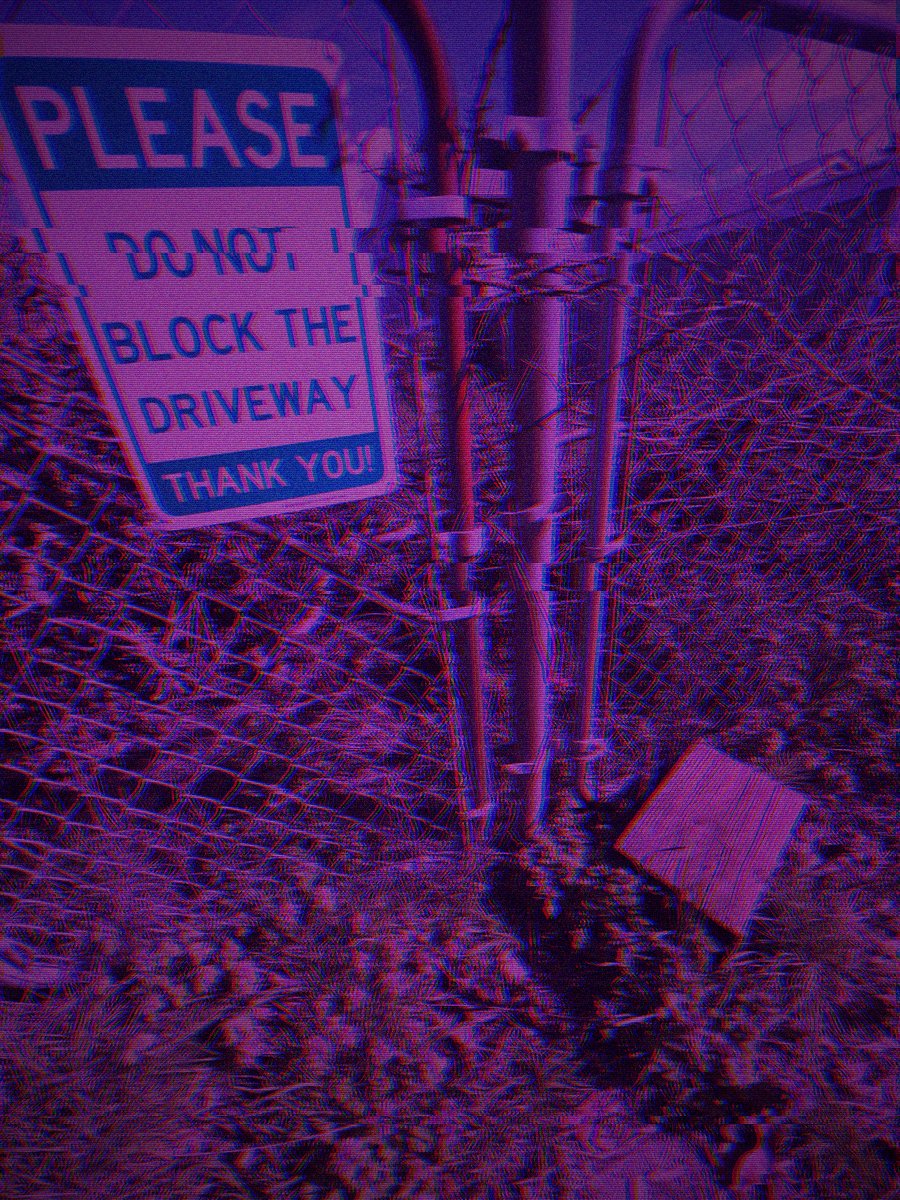
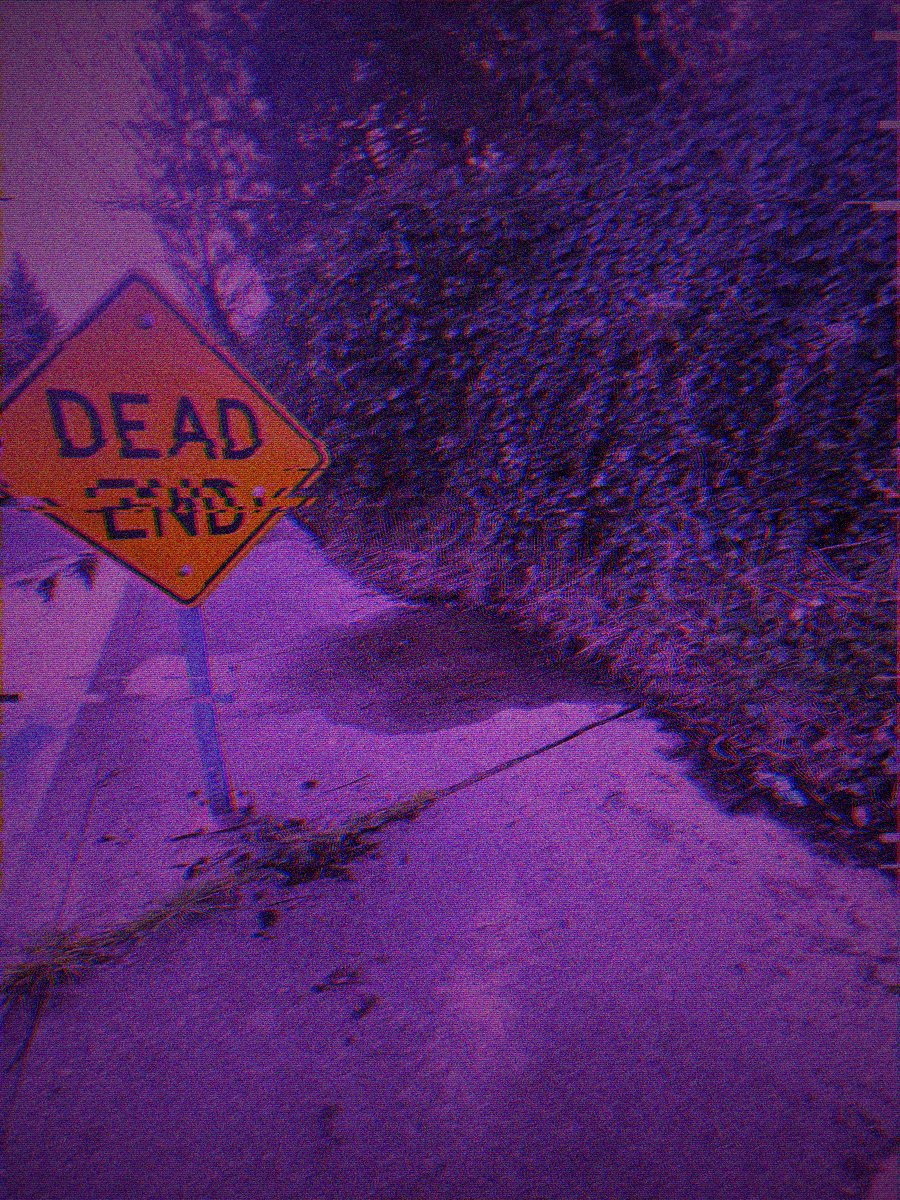
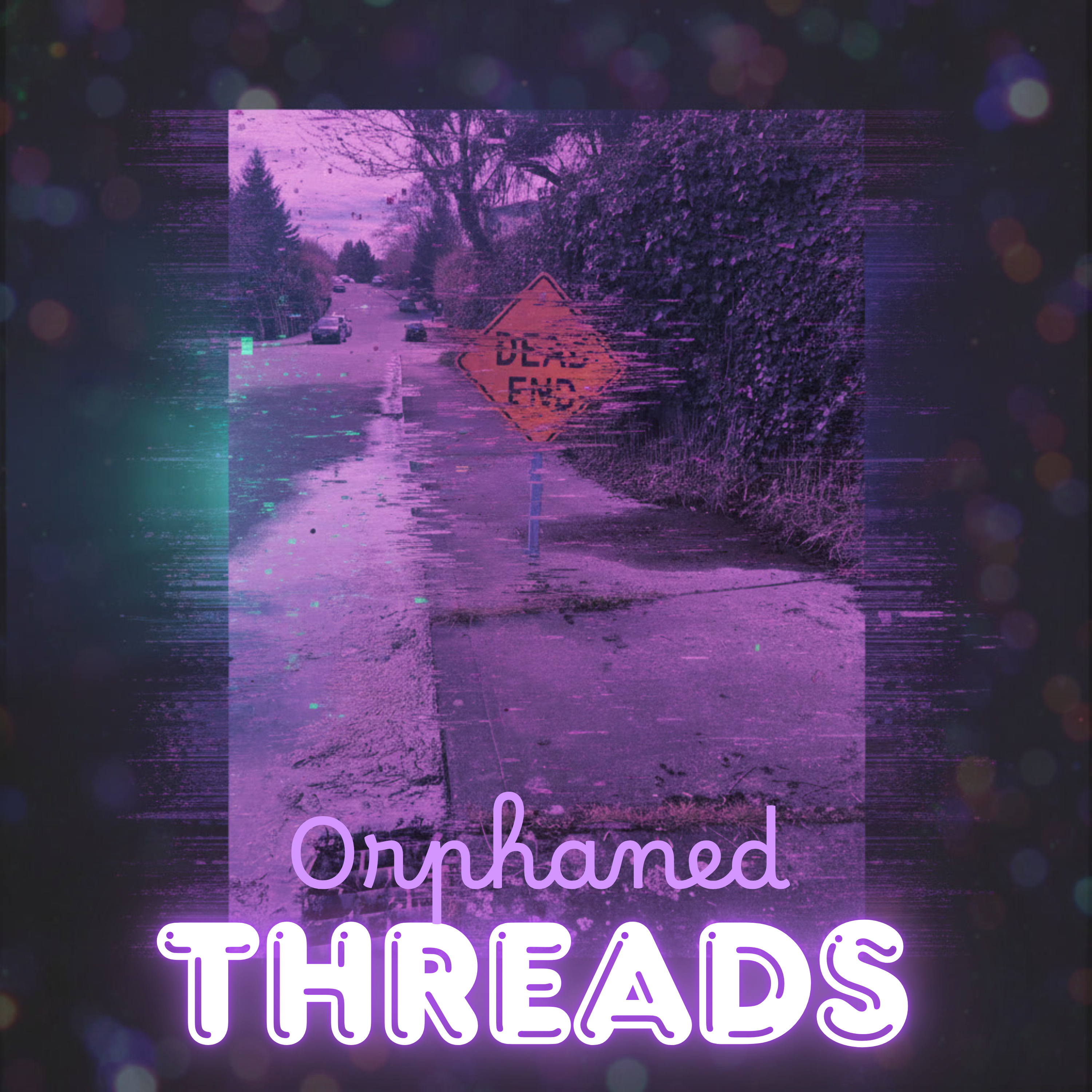
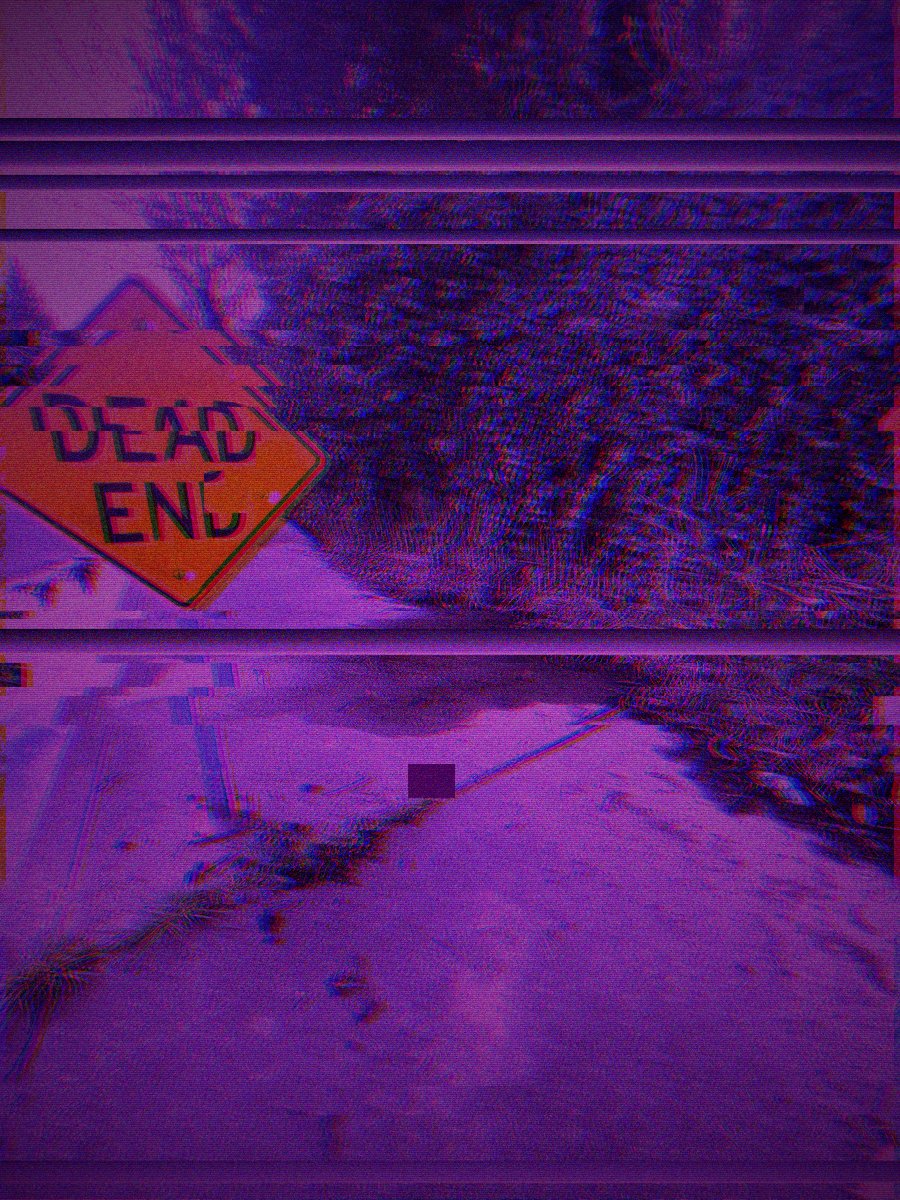
The cover art was photographed by an 11-year-old who was told to "go outside and take pictures of boring things." A decaying chain-link fence. A stray plastic bottle in a dirty puddle. A mundane yellow "Dead End" sign. These objects are the perfect visual metaphors for the existential dread of a 90s indie record.
A raw smartphone photo is too real. To make it art, we must destroy its integrity. We forced an AI to look at the photo, suffer a concussion, and then redraw it from memory. The machine processed the violent instructions and handed back a spectacular failure. The text was no longer legible. It was a barely recognizable ghost of a memory dissolving into tape hiss and fractured mosaic panels.
This project was never about making "good" AI music. It was about proving a point about the simulation we currently inhabit. The modern music industry is a machine designed to process, categorize, and monetize human emotion. But we don't have to give it our actual emotions anymore. We can just prompt the machine to cry for us, wrap the resulting static in a pretentious, corrupted JPEG, and sell it right back to them.
I didn't write a shoegaze album. I engineered a data leak that sounds like a panic attack.
If you ever stumble across Orphaned Threads on a late-night indie playlist, don't picture a group of melancholic musicians standing in a dimly lit room with their heads bowed over their effect pedals. Picture a cold, windowless server rack in Virginia, quietly reaching thermal equilibrium in the dark.
Art isn't dead. It just doesn't require us anymore.
Post-Effort /poʊst ˈɛfərt/ adjective
The state of creating art after meaning has left the building. See also: pressing a button and calling it a creative act. See also: being right about that.
Produced by no one. Written by no one. Mixed in a latent space. Mastered at 44.1kHz by a process that does not dream.
Orphaned Threads is a Man's Cave Records production.
Genre: Shoegaze / Ambient / Lo-Fi / Electronic